

Robert's Media Releases

Member for Port Macquarie Robert Dwyer is urging the NSW Government to deliver a
budget that balances critical infrastructure investment with support for essential
community services as cost-of-living pressures continue to impact local families.

The NSW Liberals and Nationals have announced they will reinstate the Regional
Seniors Travel Card if elected to government in 2027, providing vital cost-of-living relief
for seniors living in regional communities.

Member for Port Macquarie, Robert Dwyer says the growing number of businesses relocating from New South Wales to Queensland demonstrates the urgent need for payroll tax reform to restore the state's competitiveness.

Member for Port Macquarie, Robert Dwyer has welcomed more than $1.27 million in
NSW Government funding for the North Coast Regional Landcare Network (NCRLN),
describing it as a significant investment in environmental stewardship, climate
resilience and Aboriginal partnerships across the region.

Member for Port Macquarie, Robert Dwyer says the NSW Government's $561 million Transport Affordability Package is being sold to the whole state, but two of its four headline measures are built for a network that doesn't exist on the Mid North Coast.

Member for Port Macquarie, Robert Dwyer has cautiously welcomed the launch of the
state's new Development Coordination Authority (DCA), but says local homeowners
and Port Macquarie-Hastings and Mid Coast Councils need a guarantee the one-stop-
shop will actually speed up approvals in the regions, not just in Sydney.
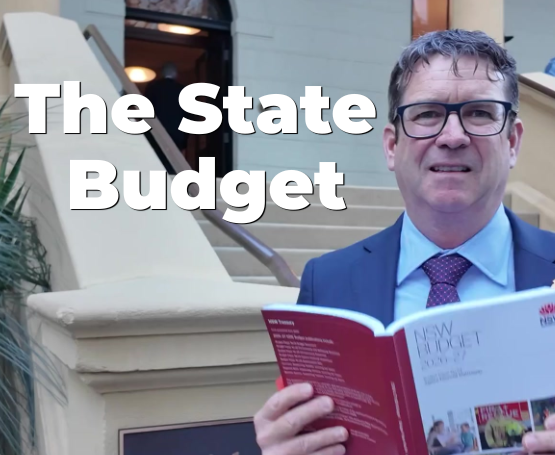
Member for Port Macquarie Robert Dwyer has responded to the NSW State Budget, welcoming some local investments while calling out the failure to fund Wrights Road, the Thrumster Wastewater Scheme and other critical infrastructure for the region.

Member for Port Macquarie, Robert Dwyer has welcomed a major commitment from the NSW Liberals and Nationals to deliver the most competitive payroll tax regime in Australia, saying the reforms will provide much-needed relief for small and medium-sized businesses across the Mid North Coast.
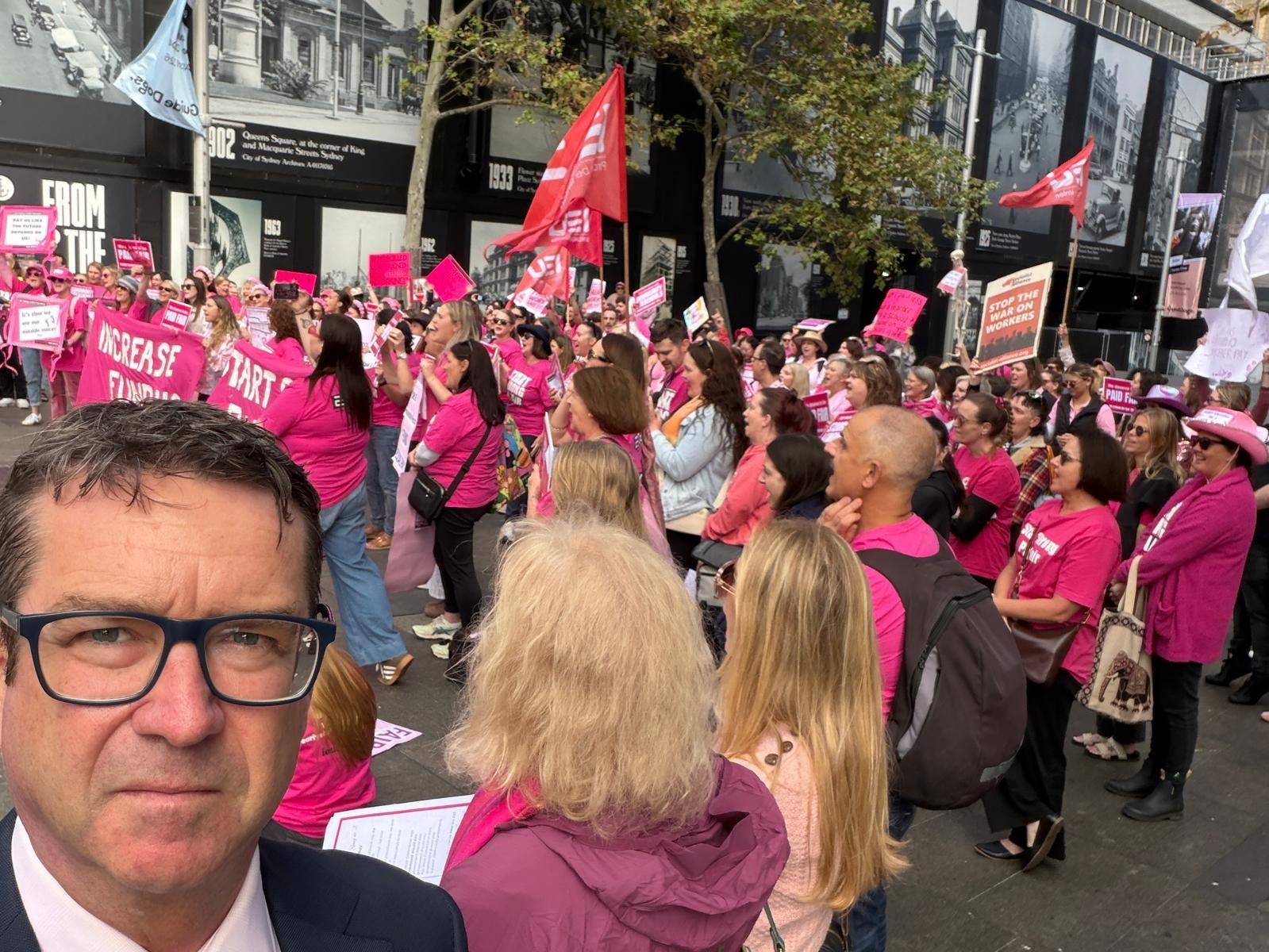
Robert Dwyer reports highlights serious concerns around affordability, accessibility, workforce pressures & growing compliance burden placed on providers/educators.

Robert Dwyer calls on the Minns Government to urgently review and increase financial support for pensioners struggling with rising living costs across NSW.