
Robert's Media Releases
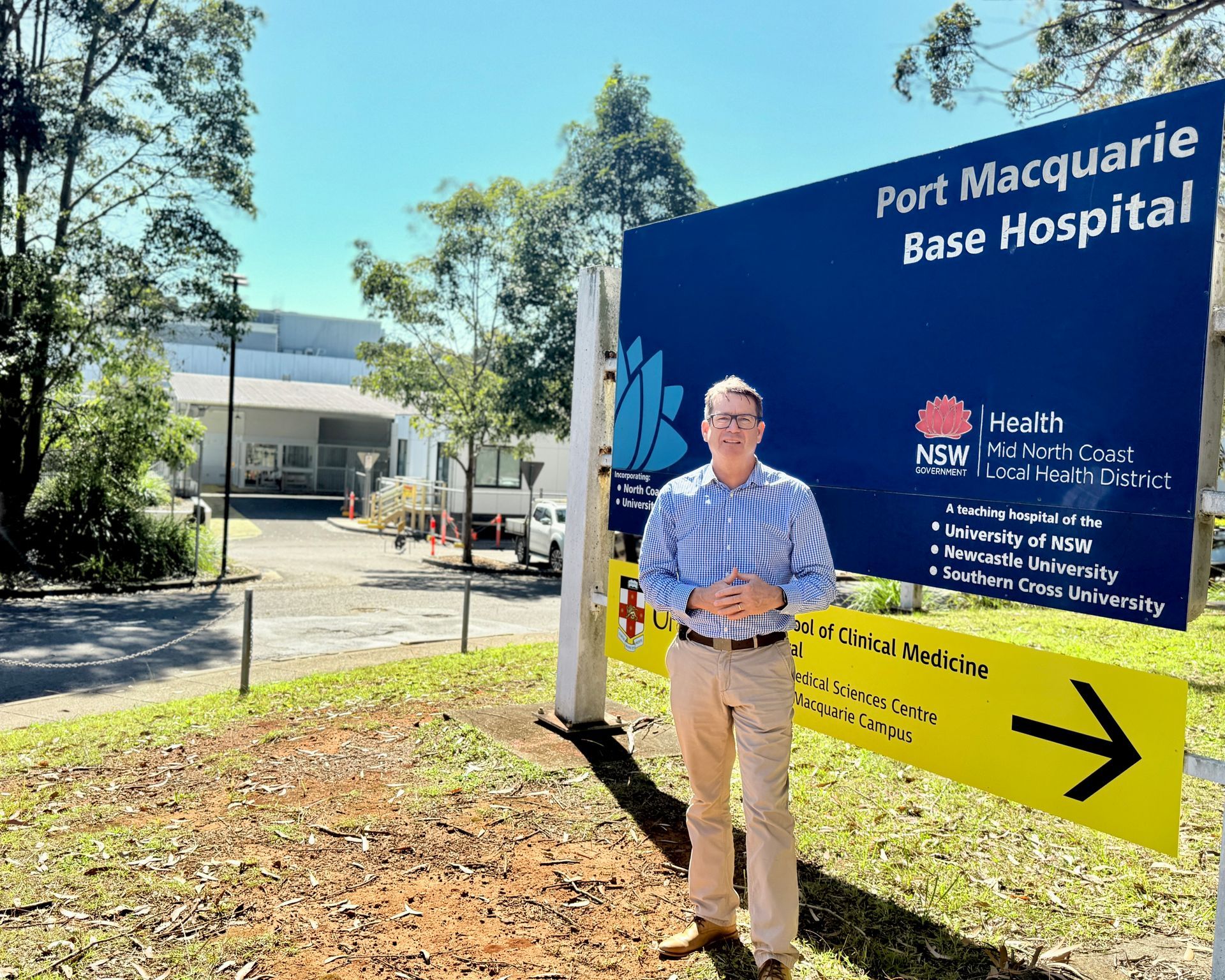
More local patients to benefit from faster access to planned surgery
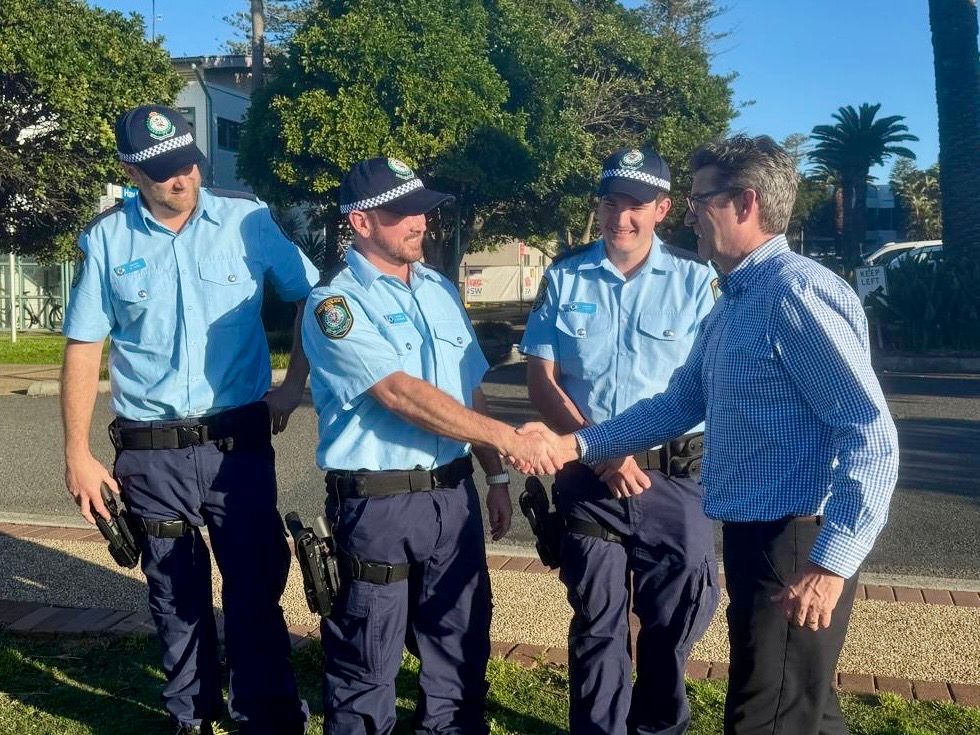
Robert Dwyer MP welcomes ten new probationary constables’ home to Port Macquarie and Kempsey through Be a Cop in Your Home Town program
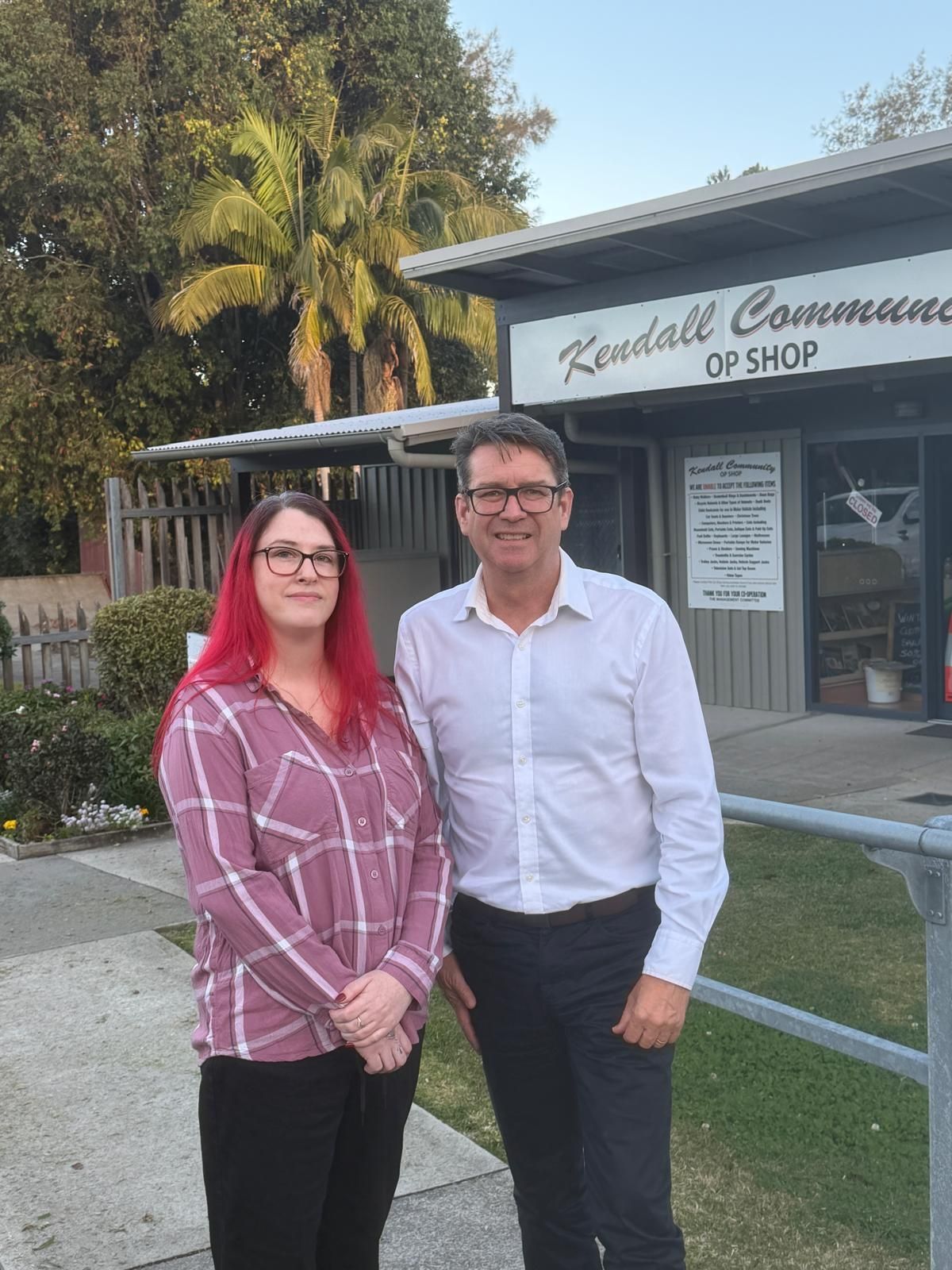
Dwyer backs community call for safe footpaths between Kendall, Kew, Lakewood and Laurieton

LABOR MUST ADDRESS SERIOUS FLAWS BEFORE GUN BUYBACK BEGINS

Dwyer welcomes $400,000 funding boost for community-led projects

Member for Port Macquarie, Robert Dwyer has announced that women and children escaping domestic and family violence across the Port Macquarie, Wauchope and Camden Haven region will benefit from a $5 million investment through the NSW Government's Homelessness Innovation Fund, delivering new transitional housing and integrated recovery support. The project, led by Liberty Domestic and Family Violence Specialist Services in partnership with Community Housing Limited (CHL), will deliver approximately five to eight transitional housing properties while transforming the way recovery and healing services are provided to women and children rebuilding their lives after violence. Mr Dwyer said the Homelessness Innovation Fund is supporting practical, community-led solutions to address homelessness and improve outcomes for vulnerable people. "Safe housing is fundamental to helping women and children escape violence and rebuild their lives. This investment will deliver more housing while strengthening the support services that help victim-survivors achieve long-term safety and independence," Mr Dwyer said. “This project will make a meaningful difference for families across the region. Every woman and child deserves to live free from violence and have access to safe, secure housing when they need it most." "I'm proud to support this investment, which will strengthen our local response to domestic and family violence and deliver lasting benefits for our community." "This project is about more than providing accommodation. It creates an opportunity for women and children to recover from trauma, remain connected to their community and build a future free from violence," Mr Dwyer said. Liberty Domestic and Family Violence Specialist Services Chief Executive Officer, Kelly Lamb said the project represents an important evolution in the delivery of specialist domestic and family violence services. "Housing is one of the biggest barriers facing women and children escaping violence, but recovery requires more than a safe place to live. Whilst we do have some existing accommodation in place, it is always oversubscribed with an extensive waiting list." "This project enables us to embed recovery and healing alongside specialist domestic and family violence support, ensuring women and children have the opportunity to heal from trauma, rebuild confidence, strengthen relationships and regain independence." "Recovery and healing are essential parts of ending the cycle of violence. By investing in recovery, we reduce the risk of ongoing harm, homelessness and intergenerational trauma while creating stronger families and safer communities," Ms Lamb said. Community Housing Limited Chief Executive Officer….. said the partnership demonstrates the value of bringing together housing and specialist services. "Community Housing Limited is proud to partner with Liberty to deliver safe, quality transitional housing that provides women and children with stability at one of the most challenging times in their lives." "Working alongside Liberty's specialist expertise will ensure residents receive not only a home, but the support they need to move towards long-term housing and independence." The project forms part of the NSW Government's Homelessness Innovation Fund, which supports innovative approaches to reducing homelessness and improving housing outcomes for vulnerable people across the state. Media Contact: Terry Sara 6584 0977
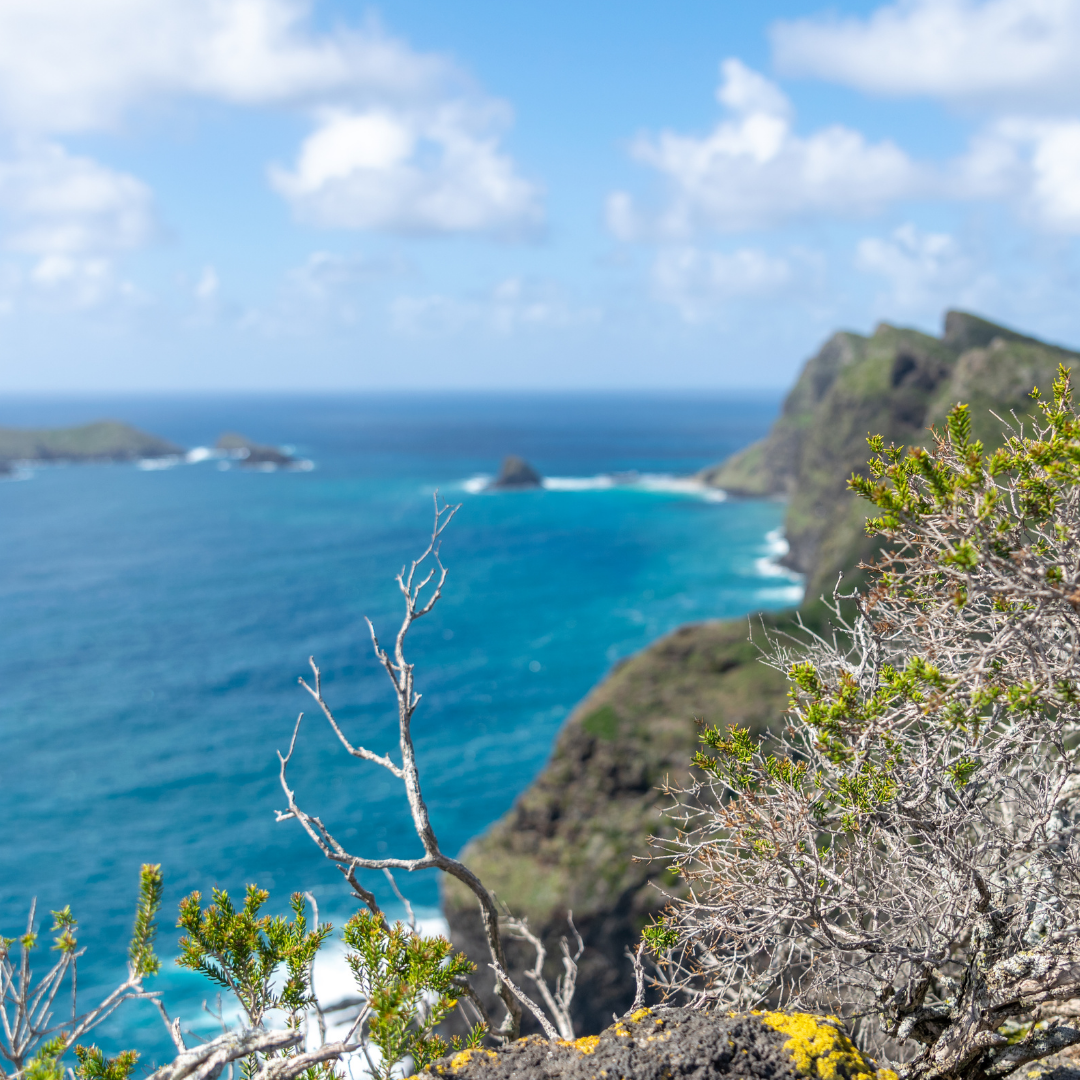
Member for Port Macquarie, Robert Dwer said the NSW Government has responded to concerns about the Lord Howe Island Critical Infrastructure Program (LHI CIP) confirms that significant elements of the proposed marine infrastructure and new vessel remain under review, while community engagement continues. “In correspondence to me, the Government says community consultation is a “core commitment” of the program, including regular community consultation group meetings, community updates, project team contact and community representation on the Project Control Group. The response went on to say, the proposed new marine vessel is being designed to operate using both roll-on, roll-off (RoRo) and lift-on, lift-off (LoLo) configurations. The existing practice of unloading freight by crane onto trucks is expected to continue, alongside forklift-based RoRo operations. Importantly, the vessel design is still being modified following feedback from the Lord Howe Island community. Changes include an increased weathertight cargo area, greater crane capacity, additional cargo storage, increased bunkering capacity, improved crew accommodation and additional cargo-securing fittings. Concerns also remain regarding the proposed marine infrastructure, including the jetty. The Government has confirmed that principal contractor Reeves Envico is undertaking a Marine Infrastructure Feasibility Study to examine community feedback and alternative solutions. The study is considering different concept layouts for both RoRo and LoLo operations, with particular attention to vessel requirements, safety and mooring arrangements. This review is significant because the design of the marine infrastructure will have long-term consequences for freight operations, the island community and the World Heritage environment. The LHI CIP master planning and concept designs were developed through workshops, meetings and interviews with the Lord Howe Island community during 2024 and 2025. However, continued consultation and the current feasibility work demonstrate that important questions about the final marine infrastructure solution remain unresolved. The environmental approval process is also continuing. An Environmental Impact Statement has been prepared as part of the Critical State Significant Infrastructure approval process, with assessment by the NSW Department of Planning, Infrastructure and Housing and consideration of approvals under the Environment Protection and Biodiversity Conservation Act 1999. Given Lord Howe Island’s status as a UNESCO World Heritage site of natural significance, the proposed marine infrastructure designs have also been presented to Heritage NSW and the Australian Government’s Department of Climate Change, Energy, the Environment and Water. “I hope this clarifies the proposed redevelopment, but if any Islanders have any further issues please do not hesitate to let me know,” Mr Dwyer said. Media Contact: Terry Sara 6584 0977
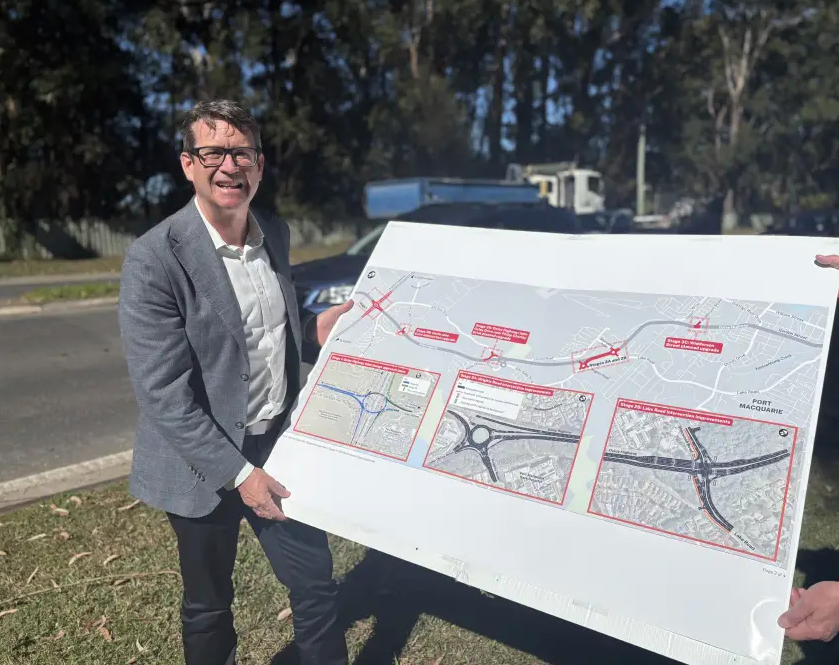
Major road upgrade to transform the journey into Port Macquarie has taken
another significant step forward with detailed plans now released by Transport for
NSW
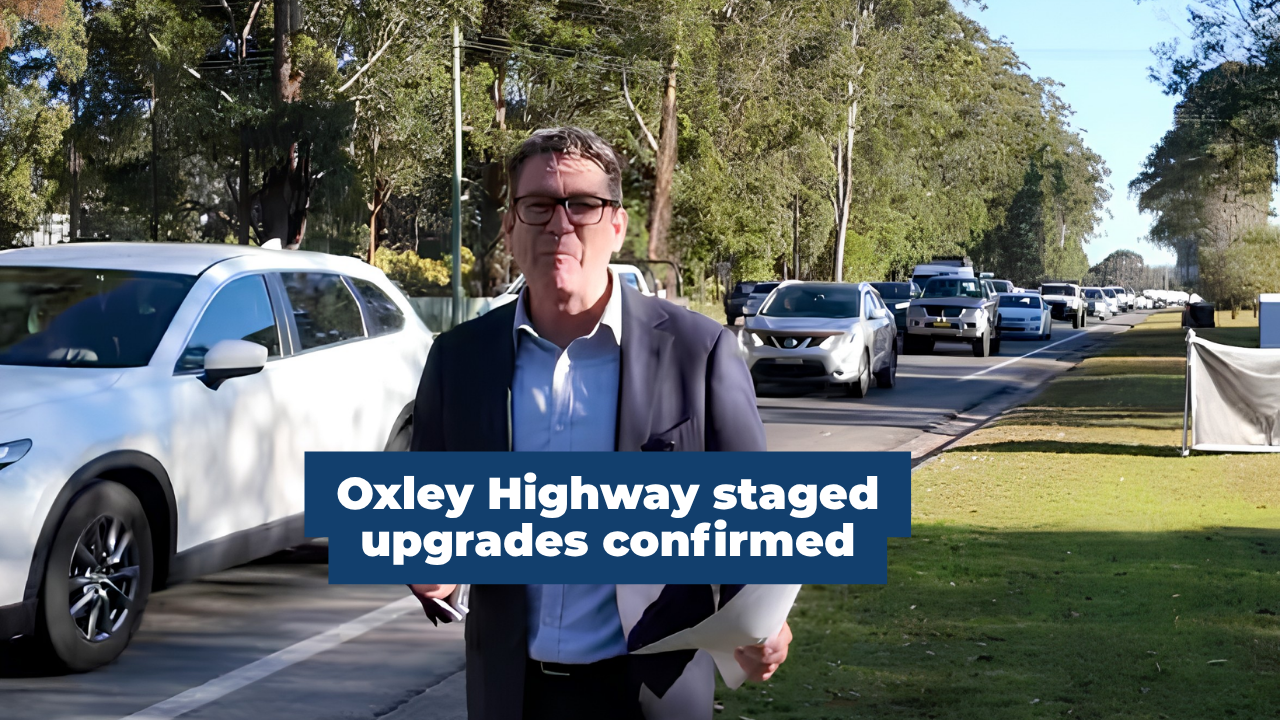
The NSW Government today confirmed Port Macquarie’s Wrights Road and Lake Road intersections will be included in staged upgrades to the Oxley Highway

Sporting clubs urged to apply for Local Sport Grants